
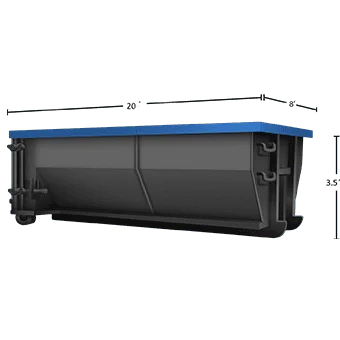
Describe the load clearly
A dumpster provides a temporary place for accepted waste to be loaded before collection; hiring the container does not automatically include labour to clear rooms, carry items or sort possessions. Separate what you intend to discard from goods being kept. Bulky furniture and dense building material can produce different volume and weight requirements even when they come from the same project.
A dumpster enquiry should begin with the material you expect to remove and the space available to receive the container. Disposal and portable sanitation can be planned together, with separate requirements for each service.
Explain whether the work involves a cleanout, building debris, landscaping or mixed material. Ask the provider which materials are accepted, how weight is handled and whether any items need another disposal route. Do not place unknown, prohibited or hazardous material in a container based only on its size.
Reserve room for both services
Show where the container will stand and how it can be loaded and collected. Keep the restroom service approach and pedestrian routes free. Ask for a written proposal covering the rental period, delivery, pickup, accepted load and additional-charge conditions before scheduling work around the container.
Explain the loading method and anticipated work stages before selecting an offered container. If another load may be needed, ask whether an exchange or separate container can be arranged and what must be confirmed first. Keep the accepted-material instructions with the people loading, and request a revised scope if the debris or required collection date changes.